We're working with the Lithuanian Union of the Blind and Partially Sighted (LASS)

Today, on Global Accessibility Awareness Day, we're announcing our partnership with the Lithuanian Union of the Blind and Partially Sighted (LASS), an organization with a rich history dating back to 1926.
This article covers our approach to accessibility, how we work with LASS, and why that matters for anyone building digital products — websites, mobile apps, or documents.
Digital products that aren't built for accessibility create real barriers. People who are blind or partially sighted are affected most directly — they can't navigate content that wasn't designed to work with a screen reader or other assistive technology.
Why This Partnership Matters
Meeting the minimum requirements set by accessibility regulations isn't the same as building something that actually works for the people using it. We test against that standard directly, not just against a checklist of guidelines.
Getting there took real work. We studied accessibility principles, the barriers people with disabilities face online, and the relevant EU and international regulations. Building our first fully accessible digital products meant learning through practice — testing, correcting, and rebuilding based on what we found.
What LASS Brings to the Work
We work directly with LASS specialists who are blind or partially sighted themselves. They know the Web Content Accessibility Guidelines (WCAG) thoroughly, and they use assistive technology daily — not as a reference point, but as their actual way of navigating digital products.
Their feedback comes from lived experience, not just technical review. That's the difference between a product that passes an automated check and one that actually works.
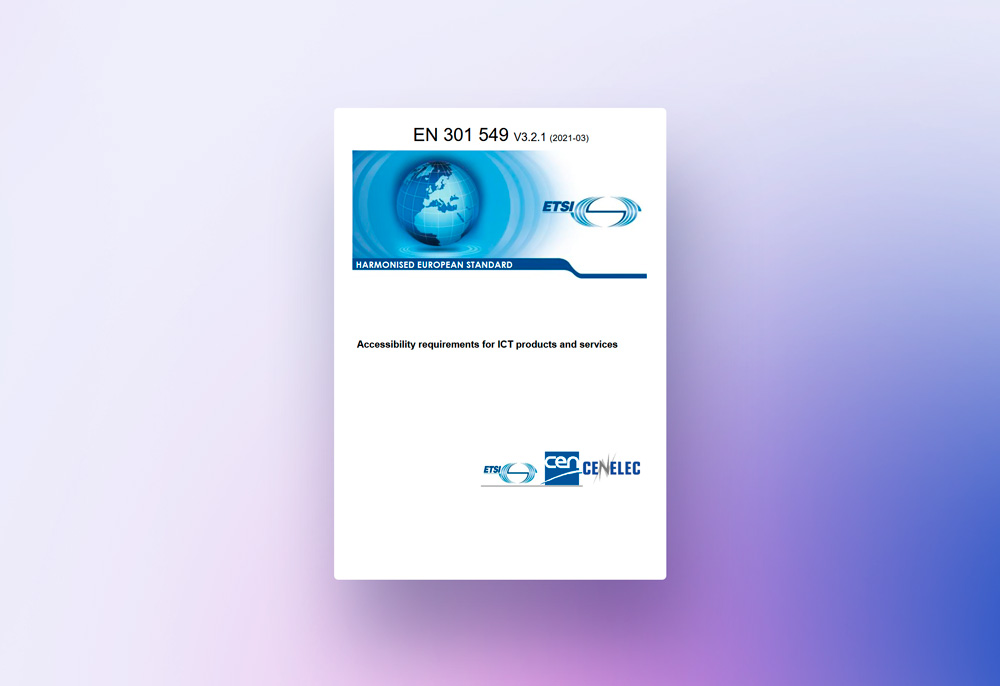
Our evaluations are built on this combination directly. We test against EN 301 549, and LASS specialists review the same work from the perspective of someone actually using assistive technology day to day. Findings combine both — a practitioner's technical evaluation and a real user's lived experience — into one set of findings with practical recommendations.

What This Means for Your Project
If you're building or improving a website, mobile app, or digital document and want it to work for real users — not just pass a compliance scan — this is the kind of testing that catches what automated tools miss.
You get one evaluation, grounded in both technical standards and lived experience — not two separate reports to reconcile.
We'd be glad to talk through what that looks like for your project.
AxAll helps organizations meet EU accessibility law – through EN 301 549 audits and remediation, a compliance platform, and expert consultancy.
Schedule a discovery call to start making your digital products compliant and accessible to people with disabilities.
Newsletter subscription
Twice a month we send insights, event updates, and valuable resources on best accessibility practices in Lithuania, the Baltics, and the EU market. Subscribe to get the latest knowledge and stay informed.